Does a New Boiler Increase Your Rental Property's Appeal?
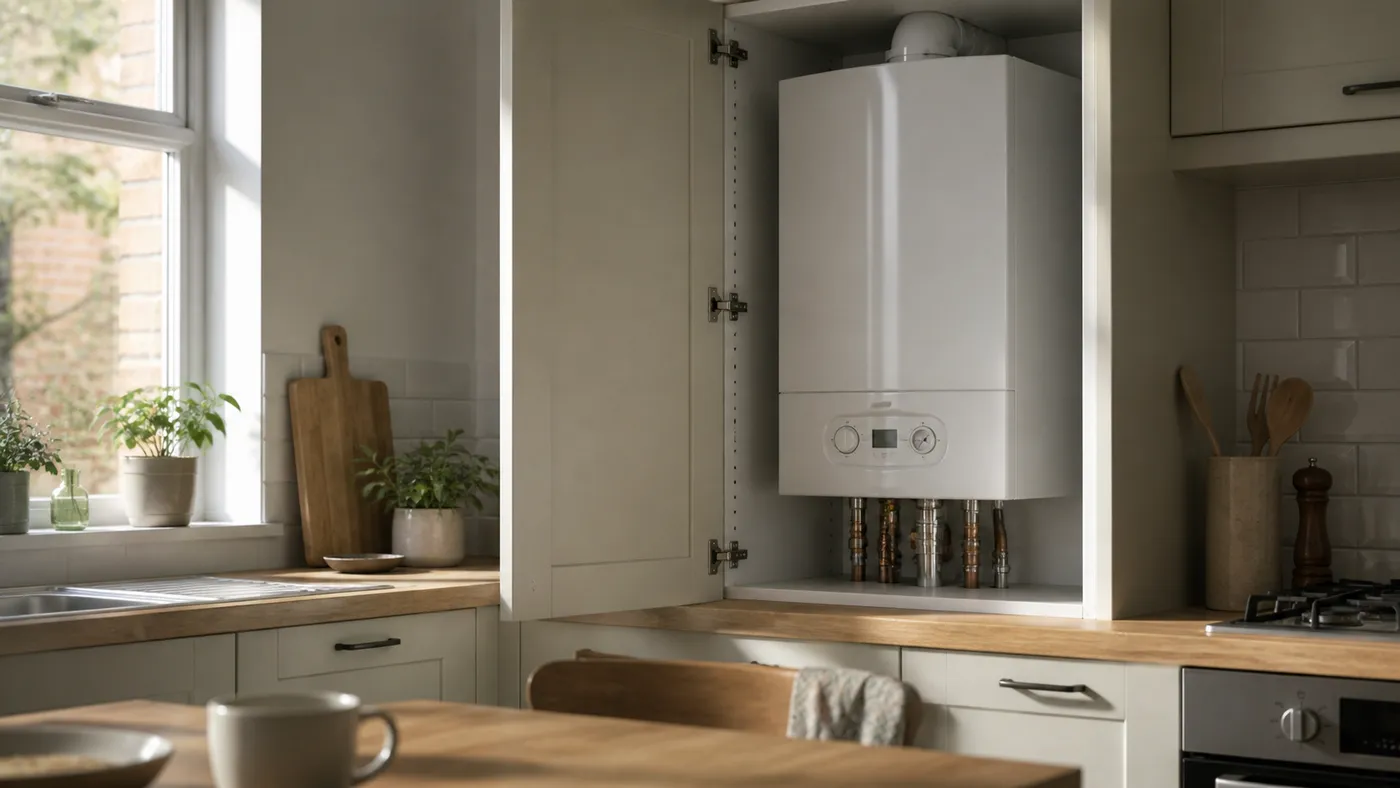
A modern, reliable boiler is a key factor in attracting and retaining good tenants for your rental property.
Beyond Compliance: A Boiler as a Tenant Magnet
For landlords, the annual Gas Safety Certificate (CP12) is a legal necessity. However, when marketing a rental property, focusing only on minimum compliance misses a significant opportunity. A modern, efficient boiler is not just a piece of heating equipment; it's a powerful tool for attracting and retaining high-quality tenants. In a competitive rental market, a reliable heating and hot water system can be the deciding factor for prospective tenants choosing between similar properties.
Preventing the Mid-Tenancy Crisis
The true cost of an old boiler often isn't the energy bill, but the disruption of a breakdown. A mid-winter boiler failure creates immediate stress for your tenants and an urgent, often costly, call-out for you. A new, reliable boiler drastically reduces this risk. Tenants value the peace of mind that comes with a modern system. By preventing emergency breakdowns, you protect your tenants from discomfort and yourself from the hassle and potential expense of out-of-hours repairs. This reliability translates directly into tenant satisfaction and can help avoid tenancy disputes related to heating failures.
Ending Hot Water Complaints
One of the most common tenant complaints, especially in shared houses (HMOs) or family lets, is inadequate hot water. An old or incorrectly sized boiler and cylinder can struggle to meet demand, leading to cold showers and frustration. Installing a new boiler that is correctly sized for the property, along with an adequately sized hot water cylinder where relevant, solves this problem at its source. Ensuring a consistent and plentiful supply of hot water is a tangible benefit that tenants will notice and appreciate every day, contributing significantly to a positive tenancy.
Documentation That Builds Trust
When listing your property, having the right paperwork readily available does more than tick a box; it builds confidence. Alongside the mandatory CP12, a completed Benchmark checklist for a new boiler installation is a valuable document to have on hand. The Benchmark is an industry record that confirms the boiler was installed, commissioned, and handover explained by a Gas Safe registered engineer to the manufacturer's instructions. Presenting this to prospective tenants demonstrates a proactive, professional approach to property maintenance. It shows you have invested in a quality installation and care about the system's long-term performance and safety.
A Smart Investment in Tenant Relations
Viewing a boiler replacement purely as a maintenance cost underestimates its value. From a landlord's perspective, it is an investment in tenant relations and property appeal. A reliable system reduces management headaches, minimises the risk of emergency calls, and addresses a key area of potential complaint before a tenancy even begins. By providing a warm, comfortable home with dependable hot water, you create an environment where tenants are more likely to want to stay long-term. In essence, a new boiler helps you market a hassle-free living experience, which is highly appealing to any tenant.
Frequently asked questions
What paperwork should I have for a new boiler in my rental?
You must have a valid CP12 Gas Safety Certificate. For a new installation, you should also obtain the Benchmark checklist from the installer, which records commissioning details. Having both documents available demonstrates thorough compliance and care to prospective tenants.
Who should install a boiler in a rental property?
The installation must always be carried out by a Gas Safe registered engineer. This is a legal requirement for safety and to ensure the warranty remains valid. A proper installation is also crucial for long-term reliability and performance.
How do I know what size boiler my rental property needs?
A qualified heating engineer will conduct a survey to determine the correct size (output in kW) based on your property's size, layout, and hot water demand. Correct sizing is vital to ensure efficiency, meet hot water needs (especially in shared properties), and prevent future complaints or system strain.